When Misinformation Feels Like the Truth
Every day, we grab our phones first thing in the morning, we scroll through hundreds of posts, videos, headlines, comments, and advertisements. With so much information available, it can become difficult to determine what is accurate and what is misleading. This is especially important for young adults who regularly use platforms such as TikTok, Instagram, Facebook, and X to learn about current events, health, relationships, and other topics. Misinformation does more than give us incorrect information. Consuming and spreading it can influence how we think, how we respond emotionally, and how we interact with other people.
When Repetition Starts to Feel Like Truth
One psychological concept that helps explain the power of misinformation is illusory truth effect. When we encounter the same claim repeatedly, it can begin to feel familiar. That familiarity can make the information seem more believable, even when the claim is false.
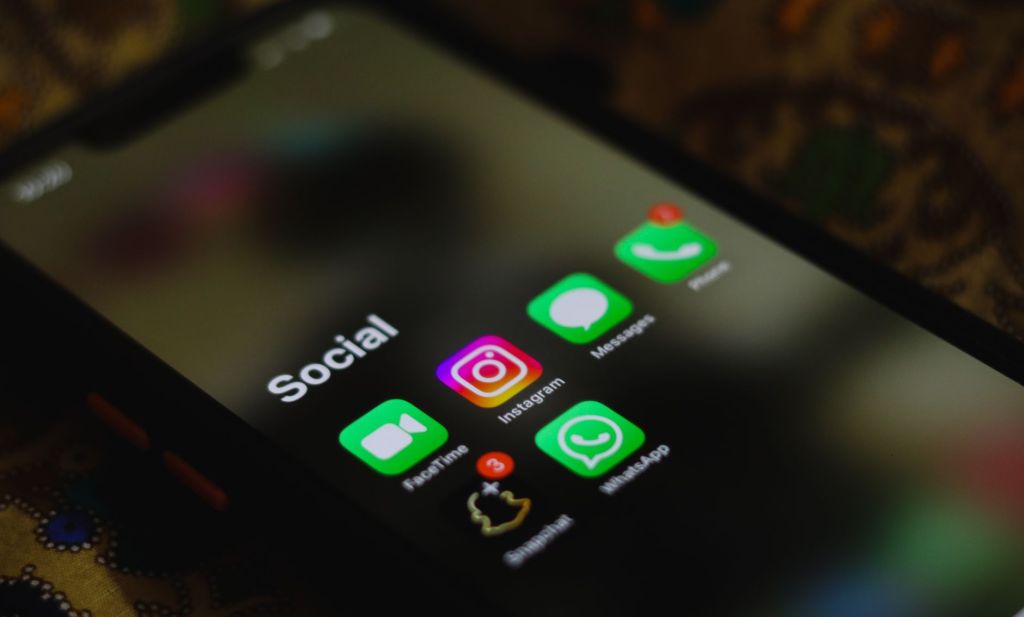
Social media can make this especially challenging. Imagine seeing a claim on TikTok in the morning, seeing someone repeat it on Instagram later, and then hearing another creator discuss it that evening. Seeing several people repeat the claim does not necessarily mean that several independent sources have confirmed it. They could all be repeating information that originated from the same unreliable source.
This is why repetition should not be confused with evidence.
Confirmation Bias Can Keep Us in a Bubble
Another problem is confirmation bias, which is our tendency to favor information that supports beliefs we already have. If a post agrees with something we strongly believe, we may be less motivated to question it.
Social media platforms can make this more complicated because recommendation systems often learn from our behavior. The videos we watch, posts we like, accounts we follow, and content we share can influence what appears in our feeds. Over time, we may encounter more content similar to what previously captured our attention.
This can create an environment where our existing beliefs are repeatedly reinforced while opposing information appears less frequently. Instead of asking, “Is this actually true?” we may think, “Everyone I see is saying this, so it must be true.”
Information Overload Makes Careful Thinking Harder
There is also the problem of information overload. People can only process so much information at once. Constantly scrolling through breaking news, arguments, videos, notifications, and conflicting claims can become mentally exhausting.
When overwhelmed, we may not give every claim the careful attention it deserves. A dramatic headline, emotional video, or confident creator can influence us before we stop to investigate the evidence.
This is one reason misinformation often benefits from emotional content. Information that makes us angry, afraid, shocked, or excited may encourage an immediate reaction. We might share the post with friends before asking where the information came from.
Misinformation Can Affect Relationships Too
The effects do not necessarily stop when we put our phones down. Misinformation can enter our conversations and relationships.
Someone who strongly believes a false claim may share it with friends or relatives because they genuinely believe they are helping them. However, disagreements can become personal when another person challenges the information. Instead of discussing evidence, people may feel as though their intelligence, values, or identity are being attacked.
This can contribute to arguments, distrust, and division between friends, family members, coworkers, and online communities. The person spreading misinformation may not have bad intentions. They may simply have encountered the claim repeatedly and accepted it as trustworthy.
That is why correcting misinformation should not always be about proving someone wrong. Respectfully asking where information came from and examining evidence together may lead to a more productive conversation.
Slow Down Before You Share
We cannot completely avoid misinformation, but we can change how we respond to it. Before liking, commenting on, or sharing something, pause and ask a few questions:
Who created this information?
What evidence supports the claim?
Can I find the original source?
Are credible sources reporting the same thing?
Am I believing this because there is strong evidence, or because it confirms something I already believe?
One strategy we learned about in this course is SIFT: Stop, Investigate the source, Find better coverage, and Trace claims to their original context. Taking even a few minutes to investigate a claim can prevent false information from reaching more people.
The Bottom Line
Misinformation becomes powerful when we stop questioning what we consume. Repetition can make false claims feel familiar, confirmation bias can encourage us to accept information that supports our beliefs, and information overload can make careful evaluation more difficult. Once misinformation is believed and shared, it can also contribute to disagreements and distrust within relationships.
Being media literate does not mean distrusting everything online. It means knowing when to slow down, investigate, and look for evidence before deciding what deserves our trust.
The next time something online makes you immediately angry, scared, or shocked, pause before sharing it.
Your share button gives information power. Make sure the information has earned it.
Intended Audience and Creative Approach
My intended audience is young adults ages 18–30 who regularly use social media platforms such as TikTok, Instagram, Facebook, and X for entertainment and information. I chose a blog post because it allows me to explain psychological concepts while also providing examples, visuals, links, and resources that readers can explore themselves. I wanted the information to feel relatable to people who regularly scroll through social media rather than presenting misinformation as something that only affects other people.
References
Fazio, L. K., Brashier, N. M., Payne, B. K., & Marsh, E. J. (2015). Knowledge does not protect against illusory truth. Journal of Experimental Psychology: General, 144(5), 993–1002. https://doi.org/10.1037/xge0000098
Pennycook, G., Cannon, T. D., & Rand, D. G. (2018). Prior exposure increases perceived accuracy of fake news. Journal of Experimental Psychology: General, 147(12), 1865–1880. https://doi.org/10.1037/xge0000465
Polizzi, G. (2018). Misinformation and critical digital literacy: To trust or not to trust? LSE Media Policy Project. https://blogs.lse.ac.uk/medialse/2018/12/03/misinformation-and-critical-digital-literacy-to-trust-or-not-to-trust/
Caulfield, M. (2019). SIFT (The Four Moves). https://hapgood.us/2019/06/19/sift-the-four-moves/